

Are you shopping around for used cars and used trucks for sale in Arkansas? That’s great! But here are some important things locals should know as they look around, including laws, tips, taxes and important paperwork you should expect to see. These facts are important for those looking up questions like “Are there used Mustangs for sale in Arkansas near me?” while not being familiar with the area or the local dealerships. If you’re looking for a reliable used Ford from a local Ford dealer, shop for used models here, but, either way, make sure you understand these important aspects of the buying process before you go. Arkansas Car Sales Tax Arkansas only has a 6.5 percent sales tax on cars. Nearby, in Tennessee, it’s 7 percent. For those hunting for used cars, Arkansas can be a good state to be in. You should also expect to pay a $10 title fee as well as a registration fee, which depends on the size and type of the car. If you need to transfer plates, Arkansas charges a $1 transfer fee. Paperwork Required While Buying a Used Car in Arkansas A Federal odometer disclosure statement The title certificate (with your signature) A bill of sale or invoice Proof of taxes paid (usually a tax receipt) Proof of car insurance Details on the vehicle such as the VIN A VIN inspection certificate (for vehicles with salvaged or out-of-state titles) A registration certificate Proof the car has been assessed for taxes Lien agreement (when applicable) Important Arkansas Laws to Know The Arkansas “lemon” law applies specifically to new cars, so it’s important to ask used car dealerships in Arkansas if the car you’re interested in was repurchased from the manufacturer from a lemon law dispute. It is illegal to tamper with an odometer, including disconnecting or replacing an odometer. Dealers aren’t required by either federal or state law to give buyers a right to cancel. Be sure to ask about the return policy. The used car dealer is required to include changes to the warranty on your buyer’s guide; be sure to read it over when you’re shopping. Check with the Department of Finance and Administration to learn about the car’s title history. You can also look up a vehicle’s criminal history with the National Motor Vehicle Title Information System. Arkansas has fairly strict laws against “yo-yo sales,” in which the financing terms change after you take the vehicle home. Locals have the right to cancel a sale if the financial terms change after driving the car off the lot. If anything like this happens, you can file a formal complaint. Tips for Buying a Used Car in Arkansas Before you go, spend time researching which cars would fit your lifestyle. Look up guides and reports on the models and years you’re interested in. Check for any outstanding, unrepaired recalls by entering in the VIN into the National Highway Traffic Safety Administration’s Safer Car database. Look at comparative prices of similar cars on tools like Kelley Blue Book or Consumer Reports. Look up car history reports via insurance companies, local authorities or tools like Auto Check. (Auto Check reports come with many of our used vehicles.) Figure out the expected price of your trade-in vehicle. You can do that easily with our Trade Appraisal tool. Get a copy of your credit report before you go so that you know what to expect from financing. You can get your official, free report at AnnualCreditReport.com. Ask the dealer about prior damage. If there has been more than 70 percent damage on the vehicle, it will be labeled as “SALVAGE” or “REBUILT” on the title. Always test drive used vehicles; it can save a lot of stress. Have a mechanic or inspector look it over. (Luckily, Ford’s certified pre-owned process completely covers that!) Ask about the warranty, and make sure the details are written in the buyer’s guide. Look over paperwork carefully, and don’t hesitate to ask questions about it. If you need to, ask to take the papers home to review. Note that when the dealer offers a vehicle “as is,” you usually forgo warranty coverage. Talk about your financing options with your dealer; think about the terms, interest rates and how much you can put down as a repayment. Be sure you have copies of all the documents you need when you leave, such as the title, registration, insurance, proof of purchase, lien agreement, etc. If you have more questions about the process, feel free to give us a call at 870-735-9800. We’d be happy to walk you through everything you’ll need to test drive some fun used Fords in Memphis.
The Ford Check Engine Light: Common Causes, Codes and Issues
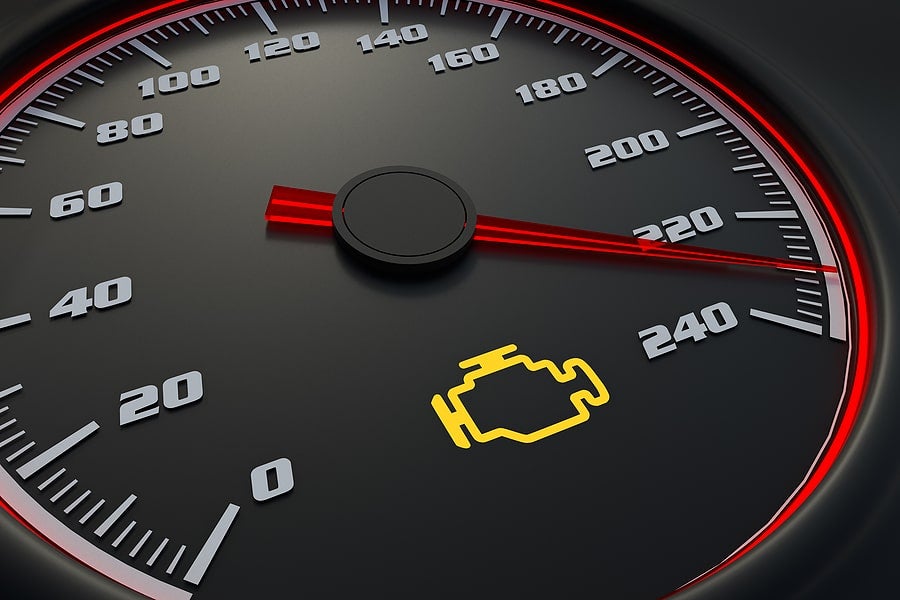
As soon as it shows up, it causes a panic in most drivers: the check engine light. Common causes in a Ford include everything from a simple gas cap problem all the way to blown spark plugs, but in all cases, it should not go ignored, especially if it’s flashing. The check engine light in Ford models will appear when something is affecting the engine performance. Ignoring it can lead to lasting damage. Also, many of these issues may lead to a failed emissions test on the Tennessee side of Memphis. If this light is currently glowing or flashing on your dashboard, and you’re living in the Memphis area, schedule an appointment with our service department. What can cause a check engine light to come on in a Ford? These are just a few of the issues that might cause an on or blinking check engine light. Ford models share a lot in common with many standard vehicles, but there are a few possible repairs on our list that are unique to this maker. The 6 Most Common Check Engine Light Causes in Fords 1. A Loose Gas Cap It’s so simple, and yet it will definitely trip your Ford’s check engine light: a loose or damaged gas cap. Often, this is a result of a missing O-ring; this will need to be replaced. Happily, this is a much simpler repair than some other issues on this list. Note that this may not be applicable to newer Ford models, as they are typically installed with Easy Fuel caps, which eliminates the hassle. 2. O2 Sensor A high amount of oxygen in your exhaust is a problem leading to a sharp decrease in fuel economy. This code means that fuel will burn too fast and there may be damage to your catalytic converter. This part should be replaced every 50,000 miles and is a relatively cheap repair. 3. Mass Airflow Sensor Where the O2 sensor measures what’s coming out of your engine, your MAF measures what’s going into it, feeding your engine the right amount of fuel. Left alone, this may cause your engine to stall frequently and cause a host of more serious engine problems. 4. Catalytic Converter This canister connects to your exhaust system and converts harmful gasses into less harmful emissions. This usually becomes an issue when other issues have been ignored, like the O2 sensor failing. 5. VCTR Solenoid This problem is common in Ford Fusions; the Variable Camshaft Timing solenoid, which is equipped alongside many four-cylinder engines, can become defective. 6. Ignition Coils and Spark Plugs This can be a more extreme fix as it features tampering with parts much closer to your engine; however, replacing ignition coils and spark plugs is a fairly normal, routine thing and should be done about every 100,000 miles or so. Other common issues include a faulty thermostat, a loose vacuum hose and other bad electronic parts. What is the most common cause of a check engine light for common Ford models? Ford Focus Check Engine Light: The on-board computer diagnostic system has hundreds of different codes that can help diagnose the problem. This might be an issue anywhere between a bad spark plug to an O2 sensor. The most common issue in a Focus is either a catalytic converter or a bad battery. A flashing light is indicative of a major issue that needs to be addressed immediately. Ford Escape Check Engine Light: Codes from your onboard diagnostic system can help to diagnose the problem. Typical problems include issues with aftermarket parts and a faulty O2 sensor. Ford Explorer Check Engine Light: Spark plugs, airflow sensors and your catalytic converter should be checked when you have a check engine light going off – come in immediately if it’s flashing. F150 Service Engine Light: Blinking or flashing lights typically indicate a severe issue, and in the F150, that’s usually either an ignition coil failure or a spark plug that’s been ejected from the cylinder head. If it’s not flashing, check your gas cap. F250 Check Engine Light: The most common issues for this model are the most common in general: a loose gas cap or a faulty oxygen sensor. Of course, these issues are the most common, but your car may have a unique or more serious problem, such as a bad fuel injector or other reason for an engine misfire. A local mechanic will be able to use a diagnostic tool and directly find the problem.