Blog / Ford of West Memphis Service

How to Give a Car as a Gift This Holiday Season

A White Car With A Big, Red Bow On The Hood
Kids might dream of sugarplum fairies on Christmas Eve, but adults often secretly dream of a Ford Mustang with a giant bow on it. This holiday season, giving a loved one a life-changing gift is more affordable than ever, so we created this guide to how to give a car for Christmas (or Hanukah, New Year’s Eve or any time during this generally festive winter season).    

Step One: Pick out which Ford they would like.

Buying a car for someone else can be very stressful if you don’t know exactly what they prefer – namely the color, model and key features of the car. Most people planning on giving a car as a gift might know which model their loved one would like (such as a Fort Mustang or F-150), but panic when they don’t know other details like the color of the interior, the type of interior or the electronic features. Luckily, though, there are some ways to be sneaky about it!

How can you find out their preferences?

  • You can carefully ask your loved one about their current car. Do they like the color or the features? What would be a cool car feature that their current car doesn’t have?
  • Point out similar cars in parking lots or on roadways and ask your loved one what they think of those models. Would that car be more attractive in red?
  • Ask them what they plan on buying for their next car, hinting that this is something to think about in the next year or so.
  • Ask a family member for a second opinion, or even ask them to help you shop around for the right car at the dealership.
  • If you’re feeling especially confident that this won’t spoil the surprise and are questioning if your loved one will like how the car drives, take your loved one out to test drive several cars – no commitment required! Ask them how they like the feel of certain cars. Pick out one “just for fun”; this “fun” one can be your surprise car!
If you’re completely uncertain, there’s no shame in simply spoiling the surprise just a little bit to ensure that this purchase is something your loved one would like. If your buying new rather than used, you’ll especially want to know if this is their dream car.

Step Two: Connect with a dealership you trust to find a good holiday deal.

The last quarter of the year features a great deal of end-of-year deals to take advantage of, and this year is an especially incredible one for deals. Let the dealership in on the secret. The dealership can help to not spoil the surprise and avoid calling your home phone. They’ll also be able to explain your state’s title laws, telling you how to buy a car for someone else in your state. Sometimes, dealerships even have a complementary bow.

Step Three: Don’t wait until Christmas Eve – buy the car a few days ahead of time.

This is for several reasons: First, you don’t want to get stuck in a crowd on Christmas Eve, as often people don’t realize how time-consuming buying a car can be. Second, financing a car for someone else can be complicated, and you’ll want to make sure that you’ll be able to get a title in your state and put the car in your name. Of course, buying the car before Christmas means that you’ll need to hide the car for a few days at a relative’s house while not spoiling the surprise.

Can you buy a car for someone else?

Yes, the best way to do this is to put the loan in your name and then put the title in both of your names. Your loved one will need to come back to the dealership to have their name put on the title afterward. If you want to co-sign on a loan, however, you’ll need to have the gift receiver present when you buy it; it’s better that they are aware of such a commitment in any case. Another way to handle this situation is to pay off the entirety of the car and then gift the car using a bill of sale. Not that you’ll need to pay a gift tax.

Step Five: Retrieve the car and add a few touches.

This is the most fun part of gifting a vehicle, and a lot of our customers like to be creative about it!

What are some fun ideas for dressing up the gifted car?

  • Go the traditional route and top your car with a giant bow.
  • Find a clever way to present your keys – hidden in another gift or presented in jewelry box can be a fun way to go.
  • Leave a love note or a thank you card in the cupholder of the vehicle.
  • Give a gift that’s a tiny toy replica of the car before showing them the real one.
  • For those who are giving a car as a Christmas gift, consider putting the keys on the tree in an ornament and then pointing it out once presents are done for the kids.
Those are the basics of how to gift a car, but your local dealership will have far more information on how to do so in a discrete and impactful way. Connect with us to check our inventory and prep for the big holiday gift!
Posted in:

Related Posts

Odometer displaying 230 miles

The Ford Check Engine Light: Common Causes, Codes and Issues

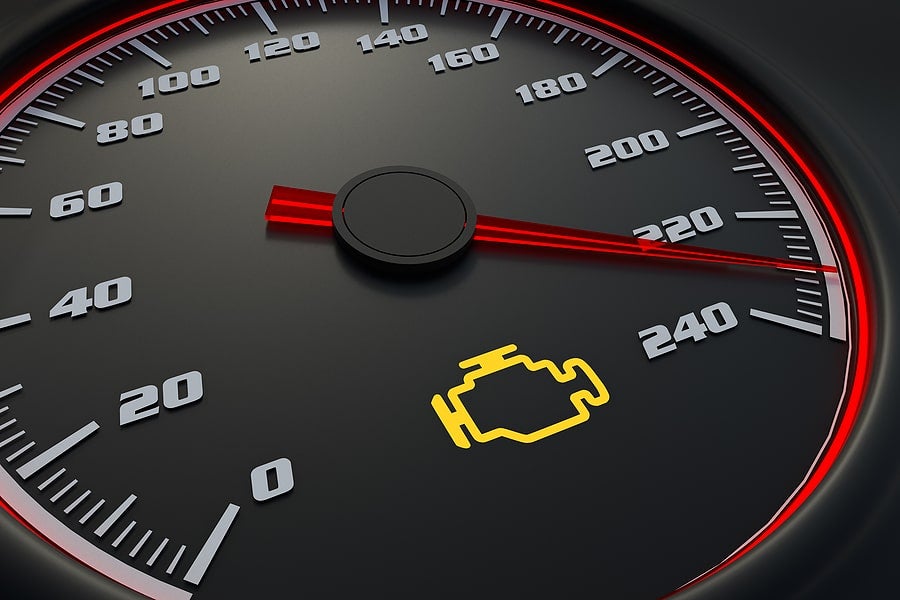
As soon as it shows up, it causes a panic in most drivers: the check engine light. Common causes in a Ford include everything from a simple gas cap problem all the way to blown spark plugs, but in all cases, it should not go ignored, especially if it’s flashing. The check engine light in Ford models will appear when something is affecting the engine performance. Ignoring it can lead to lasting damage. Also, many of these issues may lead to a failed emissions test on the Tennessee side of Memphis. If this light is currently glowing or flashing on your dashboard, and you’re living in the Memphis area, schedule an appointment with our service department. more What can cause a check engine light to come on in a Ford? These are just a few of the issues that might cause an on or blinking check engine light. Ford models share a lot in common with many standard vehicles, but there are a few possible repairs on our list that are unique to this maker. The 6 Most Common Check Engine Light Causes in Fords 1. A Loose Gas Cap It’s so simple, and yet it will definitely trip your Ford’s check engine light: a loose or damaged gas cap. Often, this is a result of a missing O-ring; this will need to be replaced. Happily, this is a much simpler repair than some other issues on this list. Note that this may not be applicable to newer Ford models, as they are typically installed with Easy Fuel caps, which eliminates the hassle. 2. O2 Sensor A high amount of oxygen in your exhaust is a problem leading to a sharp decrease in fuel economy. This code means that fuel will burn too fast and there may be damage to your catalytic converter. This part should be replaced every 50,000 miles and is a relatively cheap repair. 3. Mass Airflow Sensor Where the O2 sensor measures what’s coming out of your engine, your MAF measures what’s going into it, feeding your engine the right amount of fuel. Left alone, this may cause your engine to stall frequently and cause a host of more serious engine problems. 4. Catalytic Converter This canister connects to your exhaust system and converts harmful gasses into less harmful emissions. This usually becomes an issue when other issues have been ignored, like the O2 sensor failing. 5. VCTR Solenoid This problem is common in Ford Fusions; the Variable Camshaft Timing solenoid, which is equipped alongside many four-cylinder engines, can become defective. 6. Ignition Coils and Spark Plugs This can be a more extreme fix as it features tampering with parts much closer to your engine; however, replacing ignition coils and spark plugs is a fairly normal, routine thing and should be done about every 100,000 miles or so. Other common issues include a faulty thermostat, a loose vacuum hose and other bad electronic parts. What is the most common cause of a check engine light for common Ford models? Ford Focus Check Engine Light: The on-board computer diagnostic system has hundreds of different codes that can help diagnose the problem. This might be an issue anywhere between a bad spark plug to an O2 sensor. The most common issue in a Focus is either a catalytic converter or a bad battery. A flashing light is indicative of a major issue that needs to be addressed immediately. Ford Escape Check Engine Light: Codes from your onboard diagnostic system can help to diagnose the problem. Typical problems include issues with aftermarket parts and a faulty O2 sensor. Ford Explorer Check Engine Light: Spark plugs, airflow sensors and your catalytic converter should be checked when you have a check engine light going off – come in immediately if it’s flashing. F150 Service Engine Light: Blinking or flashing lights typically indicate a severe issue, and in the F150, that’s usually either an ignition coil failure or a spark plug that’s been ejected from the cylinder head. If it’s not flashing, check your gas cap. F250 Check Engine Light: The most common issues for this model are the most common in general: a loose gas cap or a faulty oxygen sensor. Of course, these issues are the most common, but your car may have a unique or more serious problem, such as a bad fuel injector or other reason for an engine misfire. A local mechanic will be able to use a diagnostic tool and directly find the problem.

Engine underneath the hood of a car

How Often Should Your Ford Get Serviced? A Basic Ford Maintenance Schedule

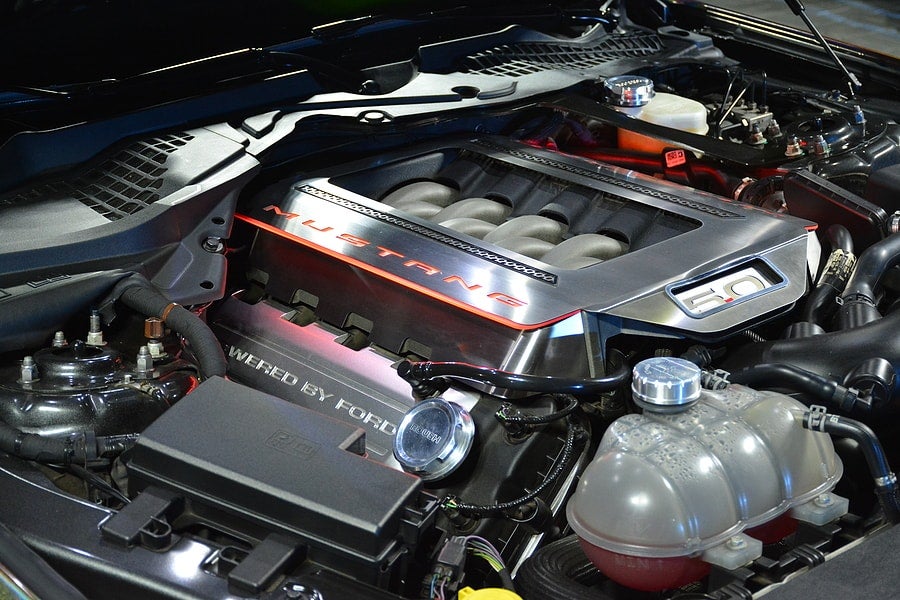
Whether it’s a beautiful, brand-new Ford Ranger, or a gently used car, a maintenance schedule, by mileage or time, should be used to keep it in top shape for the years to come. Even if nothing goes “wrong” while driving, a car will still need regular tune-ups and checks, from changing the oil to replacing the timing belt. Find out what you should be checking and how often with our very simple guide to Ford maintenance. more An Overview of Ford Maintenance Every Ford model is going to feature its own specific maintenance schedule: you can find your exact schedule on Ford’s official website. An F-150’s schedule may differ a great deal from an Explorer’s, for instance, and each vehicle will have very specific needs that need to be checked. If you want to keep your car running smoothly for more than 150,000 miles, you’ll want to keep up with your vehicle’s specific needs listed in your driver’s manual. On the other hand, there are some things that most Ford vehicles have in common, and this very basic overview can serve as a reminder of how often you’ll need regular maintenance. Ford Maintenance Schedule by Mileage Every 5,000 Miles Oil Changes: The maximum oil change interval should be either every six months or 5,000 miles. For those cars under special operating conditions, the interval should be every 3,000 miles or every three months. Inspect Tires: Tires typically experience wear and tear around this time. If the tires have worn tread, for example, they should be replaced around this time. Rotate Tires: Tires need to be rotated to ensure that the wear is happening evenly. Diesel Vehicles: The air filter minder should be checked, and the filter should be replaced. Every 15,000 Miles Inspect Automatic Transmission Fluid Level: Taking care of your transmission can ensure the longer lifespan of the vehicle. Inspect Brake System: At the point, the pads, rotors, brake lines, drums, hoses and shoes should be inspected, as well as the parking brake. Inspect the Steering System: The suspension, driveshaft, ball joints and steering linkage should be checked as a part of the normal Ford service schedule. Inspect the Wheel Ends: This needs to be checked for unusual noises. Inspect Engine Cooling System: The hoses, radiator, water pump and overall cooling system needs to be checked. Replace the Fuel Filter for Diesel: This needs to be done for diesel cars only. Inspect the Cabin Air Filter: Don’t breathe in dirty air! Change your air filter often. Lubricate/Inspect 4X2 Ball Joints: This needs to be done on pickup trucks except for the F-450 and F-550. Lubricate/Inspect Steering Linkage: This also needs to be done on trucks. At 30,000 Miles Replace Climate-Controlled Seat Filters: This needs to be done on certain models. At 100,000 Miles Replace Spark Plugs: Your engine spark plugs should be replaced as a part of the normal Ford maintenance plan. Change Yellow Coolant: Ford uses yellow and orange coolant, which needs to be replaced. Replace PCV: The PCV valve needs to be replaced at this point. Inspect Accessory Drive Belts: Change your drive belts or v-belt. Replace Camshaft Belt: This needs to be done on 2.0 liter, 4-cylinder engines. At 150,000 Miles Inspect Exhaust System and Heat Shields: The exhaust system may experience wear-and-tear from rust at this point. Change Rear Axle Lubricant: This needs to be done on all rear-wheel-drive cars. Replace the Timing Belt: The timing belt needs to be replaced if not sooner. Change Front Axle Lubricant: This needs to be done on most cars. When to Come In Besides this list of regular maintenance needs, consider the following: Note that your vehicle’s model will have its own specific recommended maintenance schedule. You should come in whenever your car is exhibiting unusual sounds, vibrations, jolts, grinding sensations or smells. You should observe the lights on your dashboard, such as the check engine light. Newer vehicles tend to have reminder systems and alerts, which should not be ignored. Extreme heat, extreme cold, heavy loads and driving behavior can all affect the number of miles between service. In other words, you may need to come in more often. If any of these situations apply, come to a Ford dealer to check on your vehicle. Those in West Memphis, AR, asking themselves, “Where is there a Ford service center near me?” should connect with our services department and schedule an appointment online.

Ford Cars lined up in a parking lot

Saying Goodbye to Ford Cars in 2020: Which Car Models Are Being Discontinued?

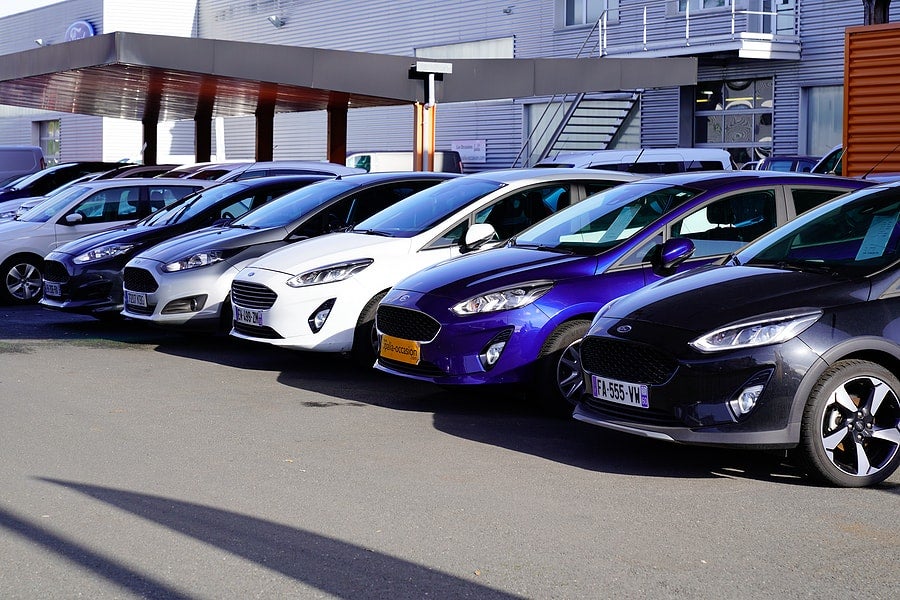
While 2020 has been a difficult year for everyone, it’s also been a particularly sad year for Ford cars: 2020 marks the end of the last few popular car models. Because of a changing company focus, Ford has chosen to continue to produce its popular pickups like the F-150 while letting its older car models like the tough Taurus go. more Is Ford going to stop making cars? Essentially, this is going to be the first time the brand’s lineup has gone without a sedan since the Model T – since 1923. Ford is shifting its focus to SUVs, pickups and crossovers, which are the “booming side of the market,” according to CEO Jim Hackett. Ford is not the only company to do this; General Motors and Fiat Chrysler are all moving toward larger vehicles. This is in part because carmakers are producing the cars Americans want. This was announced back in 2018. The cutting of cars from its lineup is projected to save Ford $5 billion. Fans, though, are sad to see these popular cars go. Ford Cars Being Discontinued in 2020 This year will feature some of the last discontinued cars; 2020 is the final year of a several-year plan to slim down the entire car lineup: Ford Fusion Despite its mild refresh during the 2019 model year, this fuel-efficient, mid-size sedan will see its last year in 2020. It’s been a hit car for fifteen years, with its second generation starring in 2012. This announcement occurred as Ford planned to end the production of all of its sedans. The last Fusion left the assembly line on July 31. Last year alone, it sold 166,000 units. Ford Cars Discontinued Shortly Before 2020 The multi-year plan to cut down the lineup featured its most severe changes in 2019: Ford Flex This car officially died in 2019. The 11-year-old sports utility vehicle experienced its last year in 2019 after selling 296,000 units since its debut. The boxy and bold car-like SUV had something of a cult following. Ford Fiesta This car officially died in 2019. On sale from 2011 to 2019, this low-gas-mileage model was available as a sedan or hatch and was one of the most popular of Ford’s small cars. Ford C-MAX This car officially died in 2019. The compact multi-purpose vehicle (MPV) was Ford’s first hybrid-only line of vehicles, debuting in the US in 2012. This discontinuation, unlike many of the others on this list, was not a surprise as it was hailed Ford’s worst-selling U.S. mass-market model. Ford Taurus This car officially died in 2019. The model has been a symbol of power and luxury for 34 years. It rolled off the assembly line on March 1, 2019. From the years 1992 to 1996, it was America’s best-selling car. It was also the recognizable model used by the American police in many cities. Ford Focus This car officially died in 2018. In 2012, the humble Ford Focus was the best-selling car in the world. It went through four generations and was beloved by a lot of people, staring in numerous movies and TV shows. It’s been sold in North America since 1999. Does Ford still make cars? Yes, but the 2021 Ford car lineup will only feature two new cars: the Ford Mustang and the Ford Active crossover. The other popular models like the Focus, Fusion, Fiesta, Taurus and Flex have been discontinued, but those who still love those models can definitely still find used Ford cars in Memphis.